

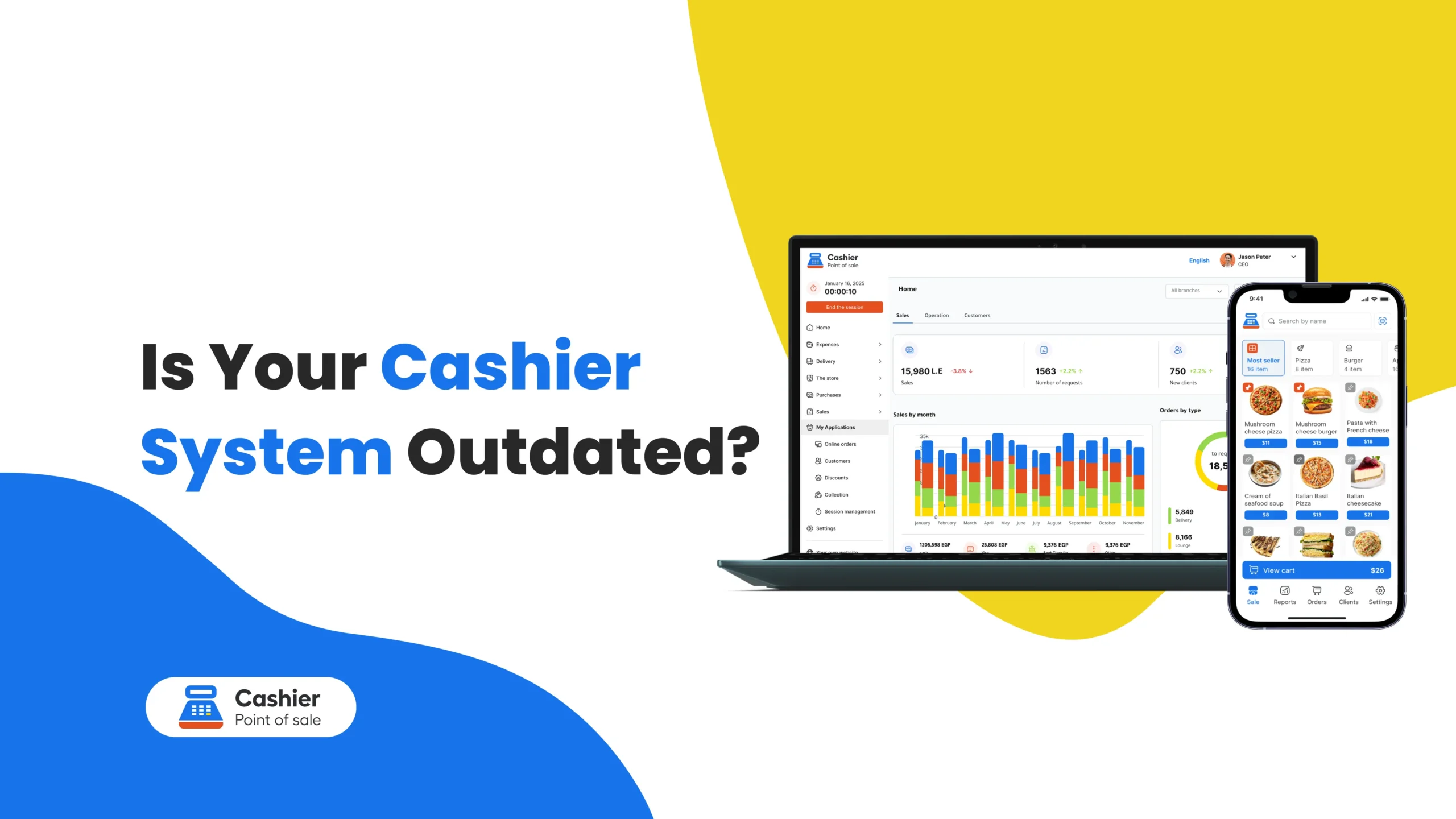
In today’s fast-paced retail and hospitality environments, your cashier system is more than just a tool for processing transactions, it is the backbone of your daily operations. From managing sales and inventory to tracking employees and generating reports, a reliable cashier system plays a crucial role in business success.
However, many business owners continue using outdated or limited systems far longer than they should. This often leads to slow operations, frustrated staff, unhappy customers, and missed growth opportunities. Recognizing the warning signs early can save you time, money, and stress.
This guide explores the most important signs it’s time to upgrade your cashier system and explains how switching to a modern solution like Cashier POS can help your business operate more efficiently, both online and offline.
Organize your sales in seconds with Cashier POS!
Take control of sales and users in moments, and give your business a fully integrated system that runs smoothly.
Get Started For FreeWhat Is a Cashier System and Why It Matters
A cashier system, also known as a point of sale (POS) system, combines both hardware and software to process sales, accept multiple payment methods, manage inventory levels, track employees, and generate valuable business insights. In modern retail and restaurant environments, the POS system acts as a central hub that connects daily transactions with operational data.
Modern POS systems go far beyond traditional cash registers by offering cloud access, real-time analytics, multi-device support, automated inventory tracking, customer data management, and seamless integrations with other business tools. These advanced capabilities allow business owners to monitor performance remotely, respond quickly to trends, and maintain accurate records across all sales channels.
When your cashier system is outdated, it can slow operations, increase errors, and limit visibility into your business performance. In contrast, a modern and flexible POS system becomes a powerful growth engine, supporting scalability, improving decision-making, enhancing customer experiences, and enabling businesses to compete effectively in both online and offline environments.
Sign #1: Slow Checkout and Long Queues
One of the clearest and most immediately visible signs you need to upgrade your cashier system is slow transaction processing. When sales take longer than they should due to system lag, outdated hardware, frequent freezes, or excessive manual steps, customers are forced to wait in long lines. Over time, these delays directly impact revenue, customer loyalty, and your brand’s reputation.
Slow checkout experiences are especially damaging during peak hours, when high customer volume requires speed and accuracy. Even small delays per transaction can add up, leading to bottlenecks, abandoned purchases, and negative customer perceptions.
Why This Matters
- Customers expect fast, smooth, and hassle-free checkout experiences
- Long queues significantly reduce customer satisfaction and repeat visits
- Slow systems increase employee frustration, fatigue, and transaction errors
- Delays during peak hours can result in lost sales opportunities
A modern POS app is designed to eliminate these issues by processing transactions quickly and reliably. Features such as barcode scanning, touchscreen interfaces, automated pricing, and support for multiple payment methods help streamline the checkout process. As a result, businesses can serve more customers in less time, reduce operational stress, and deliver a more professional and efficient point-of-sale experience.
Sign #2: Frequent System Crashes or Downtime
If your cashier system crashes regularly, freezes during transactions, or completely stops working when the internet goes down, it represents a serious operational and financial risk. Every minute of downtime equals lost revenue, missed sales opportunities, and potential damage to your brand reputation. For businesses that rely on consistent transaction flow, such as restaurants, supermarkets, and busy retail stores, even short interruptions can create chaos at the checkout counter.
System downtime often forces staff to revert to manual processes, which increases the likelihood of pricing mistakes, forgotten transactions, and inaccurate records. Over time, these issues compound, leading to financial discrepancies and operational confusion.
The Risk of Outdated Systems
- Inability to process sales during internet or system outages
- Lost or incomplete transaction data that affects reporting accuracy
- Increased manual errors due to temporary workarounds
- Reduced trust from customers when payments cannot be completed smoothly
- Negative customer experiences that discourage repeat visits
Cashier POS offers reliable online and offline POS functionality, ensuring your business can continue selling even when connectivity is unavailable. Transactions are securely saved offline and automatically synced once the connection is restored, allowing businesses to operate with confidence, consistency, and minimal disruption.
Sign #3: Manual Inventory Management
Are you still counting stock by hand or updating inventory in spreadsheets? This is a strong indicator that your cashier system is no longer meeting your operational needs. Manual inventory management may work for very small businesses at the beginning, but as sales volume increases, it quickly becomes inefficient, inaccurate, and costly.
Relying on spreadsheets or physical stock counts often means your inventory data is outdated the moment a sale is completed. This lack of real-time visibility makes it difficult to plan purchases, manage cash flow, or respond quickly to customer demand.
Problems with Manual Inventory
- Frequent stock shortages that lead to missed sales opportunities
- Overstocking that ties up cash and increases storage costs
- Increased human error due to repetitive manual entry
- Lack of real-time inventory visibility across products and locations
- Time-consuming processes that distract staff from customer service
A modern free POS system eliminates these challenges by automatically updating inventory with every sale in real time. It tracks low stock levels, sends alerts when products need reordering, and provides clear inventory reports that help business owners make smarter purchasing decisions. With accurate, real-time insights, businesses can reduce waste, improve availability, and maintain better control over their stock.
Sign #4: Limited Reporting and Analytics
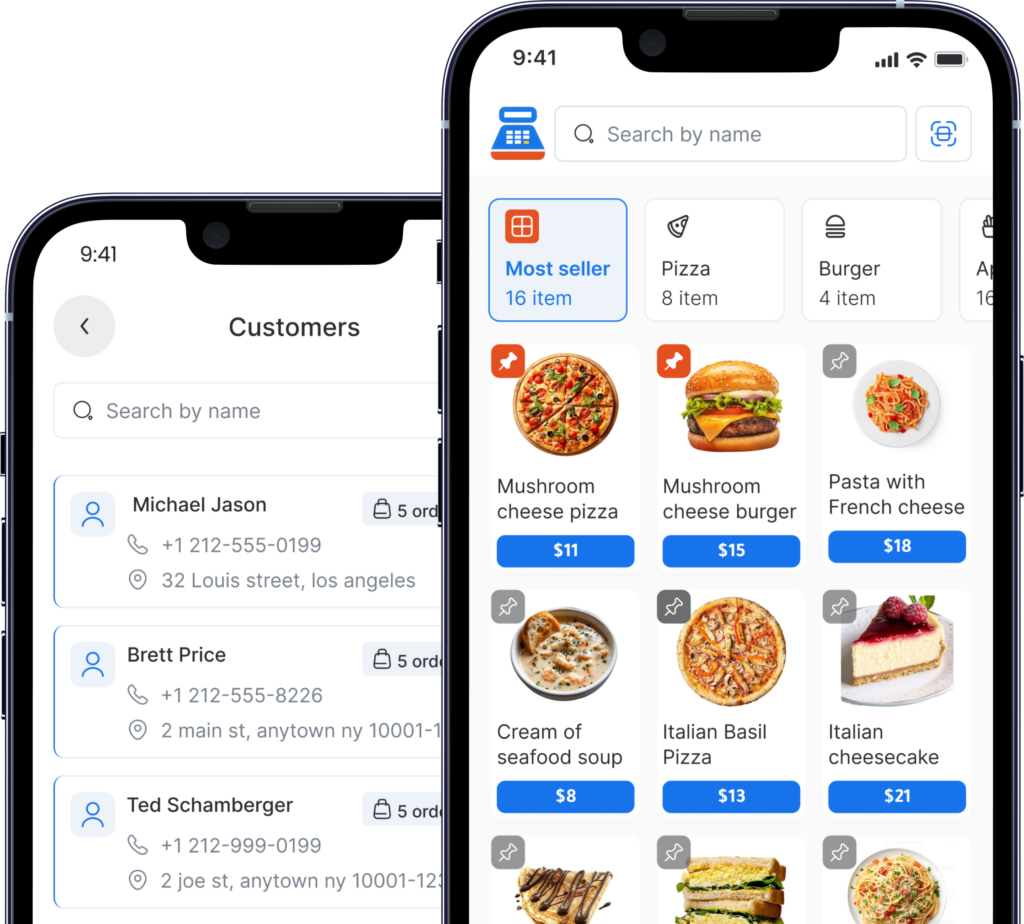
If your cashier system only provides basic sales totals or requires manual report creation, you are missing valuable insights that are critical for growth and long-term planning. Limited reporting makes it difficult to understand customer behavior, identify profitable products, measure employee performance, or spot sales trends early. Without accurate and timely data, business decisions are often based on guesswork rather than facts.
Modern businesses rely on data to optimize operations, reduce costs, and increase profitability. A cashier system with weak reporting capabilities can prevent you from seeing what is really happening inside your business.
What Modern Reporting Should Offer
- Daily, weekly, and monthly sales reports with clear performance comparisons
- Best-selling products analysis to identify top revenue drivers
- Peak sales hours and slow periods to optimize staffing and promotions
- Employee performance tracking to measure productivity and accountability
- Category-level and location-based reporting for deeper insights
Advanced POS systems like Cashier POS generate detailed reports instantly and in real time. These reports help business owners monitor performance, identify opportunities for improvement, and make confident, data-driven decisions that support sustainable business growth.
Sign #5: Difficulty Managing Multiple Locations or Devices
As your business grows, managing sales from multiple locations or devices becomes essential for maintaining control and consistency. If your current cashier system only works on a single terminal or physical location, it can quickly become a major obstacle to scalability. This limitation makes it difficult to expand operations, open new branches, or allow managers to access real-time data remotely.
Businesses operating with disconnected systems often struggle to maintain accurate sales records, inventory levels, and employee performance data across locations. As a result, decision-making becomes slower and less reliable, especially as the business continues to grow.
Growth Challenges
- No centralized dashboard to monitor performance across all locations
- Inconsistent sales and inventory data between branches
- Limited visibility into overall business performance
- Complex and time-consuming setup when adding new locations or devices
- Increased risk of reporting errors and data duplication
A cloud-based POS app solves these challenges by allowing you to manage all locations, devices, products, and users from one centralized platform. With real-time synchronization and remote access, business owners can monitor operations, compare performance across branches, and scale confidently without adding unnecessary complexity.
Sign #6: No Support for Modern Payment Methods
Customers today expect flexibility, speed, and convenience in how they pay. If your cashier system only accepts cash or limited card options, it creates friction at checkout and can easily drive customers away. Modern consumers are increasingly cashless, and many actively choose businesses that support their preferred digital payment methods.
Failing to offer modern payment options not only slows down transactions but can also negatively impact customer perception and overall sales volume, especially among younger and tech-savvy customers.
Expected Payment Options
- Credit and debit cards for fast and secure transactions
- Mobile wallets such as Apple Pay and Google Pay
- Contactless payments that reduce checkout time and improve hygiene
- QR code and digital payment options where supported
Modern POS systems integrate seamlessly with multiple payment gateways, ensuring smooth, secure, and fast payment processing. By supporting a wide range of payment methods, businesses can reduce checkout friction, improve customer satisfaction, and increase conversion rates at the point of sale.
Sign #7: Poor Employee Management Features
If you track employee hours, permissions, or performance manually, your cashier system may be outdated and limiting your ability to manage staff effectively. Manual employee management often leads to scheduling conflicts, payroll inaccuracies, unauthorized access, and difficulty identifying top or underperforming employees.
As your team grows, relying on paper records or separate systems becomes increasingly inefficient and risky. Without clear visibility into employee activity, businesses may face higher labor costs, internal errors, or even fraud.
Modern POS Employee Tools
- Role-based access to control what each employee can see or modify in the system
- Shift tracking to monitor working hours accurately and simplify payroll
- Sales performance per employee to identify productivity levels and training needs
- Activity logs to track transactions and reduce unauthorized actions
These features improve accountability, strengthen internal controls, reduce errors, and help business owners manage staff more efficiently while creating a more organized and transparent work environment.

Sign #8: High Maintenance and Hidden Costs
Older systems often require expensive maintenance, frequent hardware replacements, or paid software upgrades just to remain functional. Over time, these ongoing costs add up and place unnecessary strain on your operating budget. Many legacy cashier systems rely on outdated infrastructure that is costly to repair and difficult to update, forcing businesses to spend money simply to maintain basic functionality.
In addition, some providers lock businesses into long-term contracts or charge extra fees for essential features, technical support, or security updates. This lack of cost transparency makes it difficult to predict expenses and plan for growth.
Why This Is a Problem
- Unexpected expenses that disrupt budgeting and cash flow
- High maintenance fees for outdated hardware and software
- Vendor dependency that limits flexibility and negotiating power
- Paid upgrades required to access basic or modern features
- Limited scalability without significant additional costs
A free POS system like Cashier POS helps eliminate these issues by reducing operational costs while still offering advanced features. Businesses can benefit from modern functionality, regular updates, and scalable tools without the burden of high maintenance expenses, making it an ideal solution for restaurants, supermarkets, and retail stores.
Sign #9: Lack of Integration With Other Tools
Modern businesses rely on multiple digital tools such as accounting software, inventory management systems, customer relationship platforms, and advanced reporting solutions to operate efficiently. If your cashier system cannot integrate with these tools, efficiency quickly suffers. Staff may be forced to enter the same data multiple times across different systems, increasing the risk of errors, inconsistencies, and wasted time.
Lack of integration also limits visibility across your operations, making it harder to get a complete and accurate picture of sales performance, inventory levels, and financial data. This fragmentation can slow decision-making and reduce overall productivity.
A modern POS solution supports seamless integrations or offers all-in-one functionality that brings these tools together in a single platform. By reducing the need for external systems and manual data transfers, businesses can streamline workflows, improve data accuracy, and operate more efficiently as they grow.
Sign #10: Your Business Has Outgrown the System
Sometimes the clearest sign is also the most overlooked: your business has evolved, but your cashier system hasn’t kept pace. As operations grow more complex, an outdated POS can quickly become a bottleneck that slows expansion and increases operational friction.
When your systems are no longer aligned with your business size or goals, everyday tasks such as reporting, inventory control, employee management, and multi-location oversight become harder than necessary.
Common Growth Indicators
- Increased product range that requires better inventory categorization and tracking
- Higher transaction volume that demands faster processing and system stability
- More employees or branches that require centralized management and access control
- Greater need for real-time data to support strategic decisions
Upgrading your POS system ensures your technology actively supports growth rather than limiting it. A scalable cashier system allows your business to expand confidently, adapt to new opportunities, and maintain operational efficiency as demand increases.
Benefits of Upgrading to a Modern POS System
Upgrading your cashier system provides both immediate improvements and long-term strategic benefits that positively impact every part of your business. A modern POS system streamlines daily operations while also giving business owners the tools needed to grow, adapt, and compete in an increasingly digital marketplace.
Key benefits include:
- Faster transactions that reduce checkout time and improve customer flow, especially during peak hours
- Improved customer experience through smooth payments, accurate pricing, and shorter wait times
- Real-time inventory tracking that helps prevent stock shortages, overstocking, and lost sales
- Accurate reporting and analytics that support smarter, data-driven business decisions
- Better staff management with clear roles, performance tracking, and accountability
- Online and offline selling capability that ensures uninterrupted operations even during internet outages
Cashier POS is designed to deliver all of these benefits while remaining easy to use, scalable, and cost-effective. By upgrading to a modern system like Cashier POS, businesses can improve efficiency today while building a stronger foundation for long-term growth.
How Cashier POS Supports Business Growth
Cashier POS is a free point of sale system built specifically for restaurants, supermarkets, and retail businesses of all sizes. It is designed to support daily operations with speed and reliability, offering both online and offline functionality to ensure uninterrupted sales at all times. Cashier POS is available as a POS app on mobile devices, desktop systems, and web platforms, giving business owners the flexibility to manage operations from anywhere.
By upgrading to Cashier POS, businesses gain greater flexibility, improved operational reliability, and full control over sales, inventory, and staff management, all without high costs or complex setups. This makes Cashier POS an ideal solution for growing businesses looking for a scalable, easy-to-use, and cost-effective cashier system.
Organize your sales in seconds with Cashier POS!
Take control of sales and users in moments, and give your business a fully integrated system that runs smoothly.
Get Started For FreeThe biggest signs usually include frequent system downtime, slow checkout processes, and limited or inaccurate reporting. If your cashier system regularly crashes, struggles during peak hours, or cannot provide clear insights into sales, inventory, or employee performance, it is likely holding your business back. These issues often result in lost sales, frustrated customers, and inefficient daily operations.
Not necessarily. While some legacy POS providers charge high setup and subscription fees, many modern solutions are designed to be cost-effective. Platforms like Cashier POS offer free POS system options with powerful features, allowing businesses to upgrade their technology without large upfront investments or ongoing maintenance costs.
Yes. Many modern POS systems support offline POS functionality, allowing you to continue processing sales even when the internet connection is unavailable. Transactions are stored securely offline and automatically synchronized once the connection is restored, ensuring business continuity and data accuracy.
In most cases, switching to a modern POS system is fast and straightforward. Many POS apps can be set up within hours, including product imports and basic configuration. With proper planning, businesses can transition with minimal disruption to daily operations and start seeing benefits almost immediately.
Conclusion
An outdated cashier system can quietly slow your business down, impact customer satisfaction, and limit growth without being immediately obvious. Over time, small inefficiencies add up, affecting daily operations, employee productivity, and your ability to deliver a smooth customer experience. By recognizing the warning signs early, business owners can take proactive steps toward upgrading their technology before these issues begin to affect profitability.
A modern solution like Cashier POS provides the speed, reliability, and insights today’s businesses need to stay competitive in fast-changing markets. With features designed to support online and offline sales, real-time reporting, and scalable growth, investing in the right cashier system is not just a technical upgrade, it is a strategic decision that supports efficiency, customer satisfaction, and long-term business success.