

In today’s highly competitive retail and hospitality environment, business owners face a constant challenge: how to increase sales without increasing costs. Rising rent, labor expenses, supply chain disruptions, and customer expectations make traditional growth strategies risky and expensive. This is where a modern Point of Sale (POS) system becomes a powerful strategic tool rather than just a checkout solution.
A well-designed POS system helps businesses optimize operations, improve decision-making, enhance customer experience, and uncover hidden revenue opportunities, all without adding overhead. In this article, we explore how a POS system drives sustainable sales growth, with practical examples and proven strategies, while highlighting how Cashier POS supports businesses of all sizes.
Organize your sales in seconds with Cashier POS!
Take control of sales and users in moments, and give your business a fully integrated system that runs smoothly.
Get Started For FreeWhat Is a POS System Today?
A POS system is no longer just a cash register. Modern POS solutions combine hardware, software, analytics, and integrations to manage sales, inventory, customers, employees, and reporting from a single platform.
Key components typically include:
- Sales and payment processing
- Inventory management
- Customer relationship management (CRM)
- Employee management
- Real-time reporting and analytics
- Online and offline functionality
A modern POS system becomes the operational brain of a business, enabling smarter decisions that directly impact revenue growth.
Why Increasing Sales Without Increasing Costs Matters
Growing sales traditionally involves higher spending on marketing, staff, inventory, or physical expansion. While these approaches can work, they also introduce risk and reduce profit margins.
Increasing sales without increasing costs allows businesses to:
- Improve profit margins
- Scale sustainably
- Reduce financial risk
- Stay competitive during economic uncertainty
- Maximize return on existing resources
A POS system supports this goal by helping businesses do more with what they already have.
How a POS System Increases Sales Without Increasing Costs
1. Better Inventory Management Prevents Lost Sales
Poor inventory control is one of the most common causes of lost revenue. Running out of popular items leads to missed sales, while overstocking ties up cash and increases waste.
A POS system provides real-time inventory tracking, ensuring:
- Best-selling items are always available
- Slow-moving products are identified early
- Automatic stock alerts reduce manual monitoring
By maintaining optimal stock levels, businesses increase sales availability without increasing inventory spending.
2. Data-Driven Decisions Replace Guesswork
Many businesses rely on intuition rather than data when making pricing, promotion, or purchasing decisions. This often leads to inefficiencies and missed opportunities.
A POS system collects and analyzes sales data, revealing:
- Top-selling products
- Peak sales hours
- Seasonal trends
- Customer buying behavior
With these insights, businesses can focus on high-performing products and strategies that generate more revenue without additional costs.

3. Faster Checkout Improves Conversion Rates
Long queues and slow checkout processes frustrate customers and result in abandoned purchases.
A modern POS system:
- Speeds up transactions
- Supports multiple payment methods
- Reduces errors at checkout
Faster service allows businesses to handle more customers with the same staff and resources, increasing daily sales capacity without increasing labor costs.
4. Upselling and Cross-Selling Made Easy
Upselling and cross-selling are proven methods to increase average transaction value without acquiring new customers.
A POS system enables:
- Smart product recommendations at checkout
- Bundled offers and promotions
- Add-on suggestions for complementary items
By increasing the value of each sale, businesses grow revenue while keeping operational costs stable.
5. Improved Customer Retention Through CRM
Acquiring new customers is significantly more expensive than retaining existing ones.
POS systems with built-in CRM tools help businesses:
- Track customer purchase history
- Create personalized offers
- Launch loyalty and reward programs
Satisfied repeat customers spend more over time, increasing total sales without increasing marketing expenses.
6. Employee Productivity Without Hiring More Staff
Labor costs are among the highest expenses for retail and restaurant businesses.
A POS system improves employee efficiency by:
- Simplifying order entry
- Reducing training time
- Minimizing human error
- Tracking staff performance
More productive employees generate higher sales per shift without the need to expand the workforce.
7. Reduced Operational Errors and Losses
Manual processes often lead to pricing mistakes, incorrect orders, and cash handling errors.
A POS system minimizes these risks by:
- Automating calculations
- Standardizing pricing
- Tracking cash and digital payments accurately
Reducing errors protects revenue and improves profitability without additional spending.
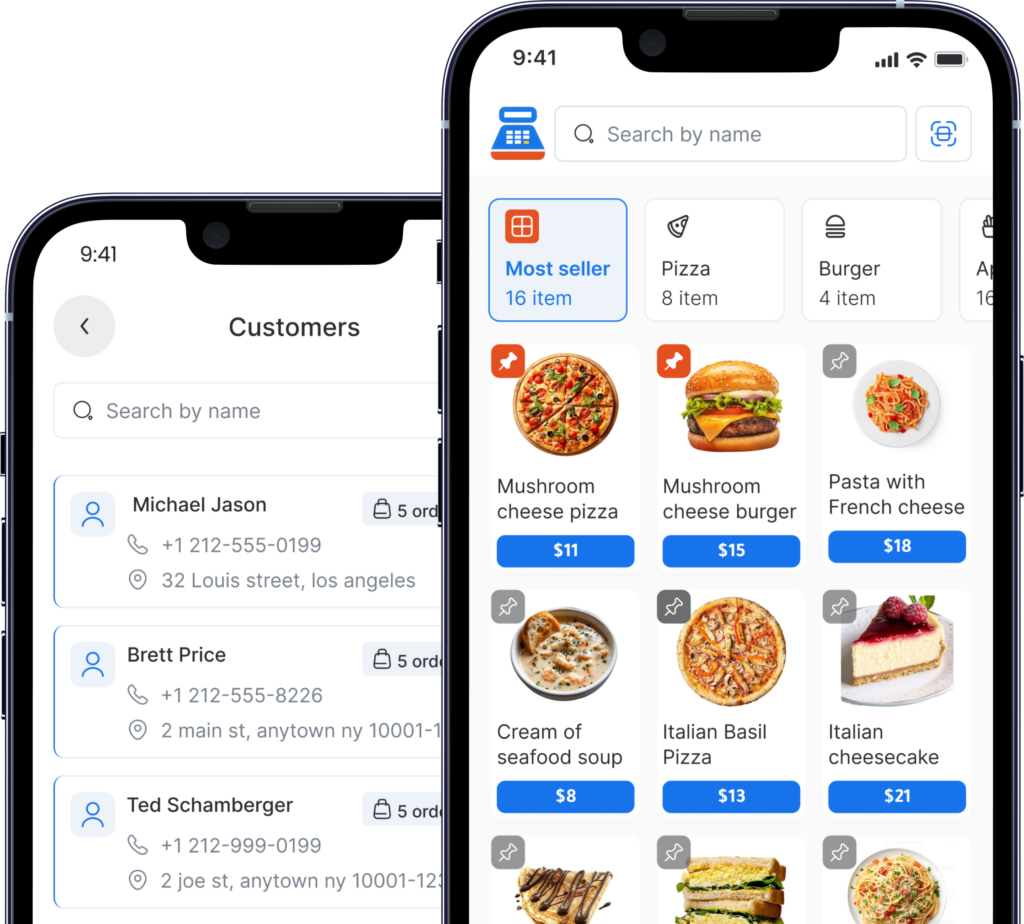
8. Optimized Pricing Strategies
POS analytics help businesses test and refine pricing strategies.
Using POS data, businesses can:
- Identify price-sensitive products
- Adjust pricing during peak hours
- Introduce dynamic promotions
Strategic pricing increases revenue while maintaining cost control.
9. Multi-Channel Sales from One System
Modern POS systems support online and offline sales channels.
This allows businesses to:
- Sell in-store, online, and via mobile
- Sync inventory across channels
- Avoid hiring separate teams or systems
Multi-channel selling increases reach and revenue without significantly increasing operational costs.
10. Real-Time Reporting Improves Agility
Real-time reports allow business owners to act quickly instead of reacting too late.
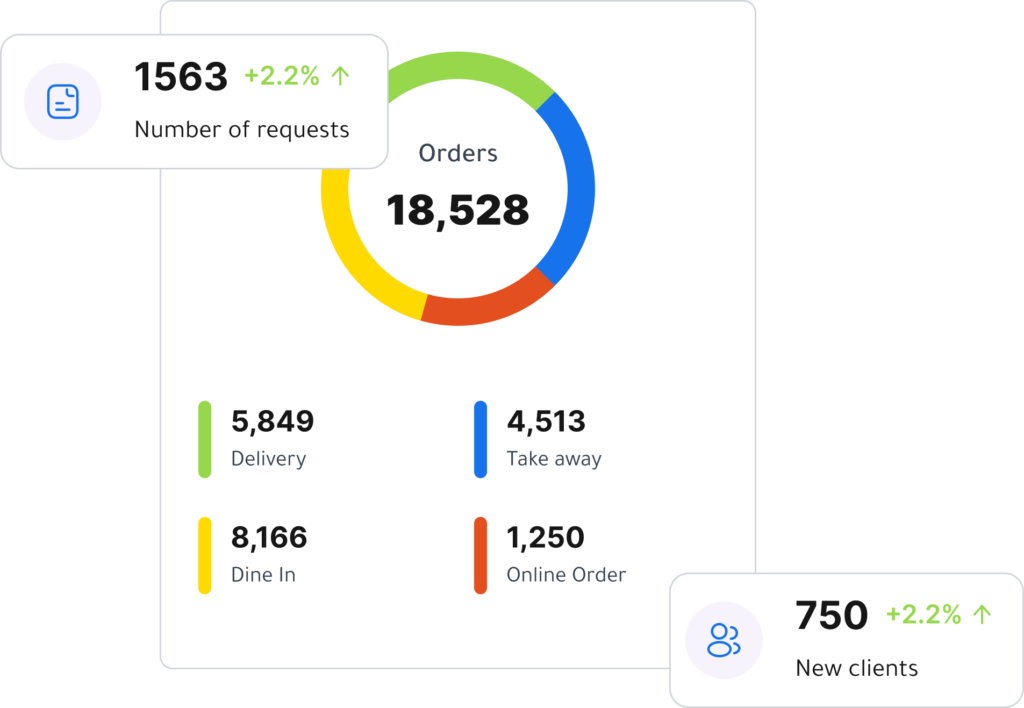
POS reporting provides insights into:
- Daily sales performance
- Product profitability
- Cost-to-revenue ratios
Quick adjustments based on real data prevent losses and maximize sales opportunities.
How Cashier POS Supports Cost-Efficient Sales Growth
Cashier POS is designed to help businesses increase sales while keeping costs under control. It combines powerful features with an intuitive interface suitable for restaurants, supermarkets, and retail businesses.
With Cashier POS, businesses benefit from:
- Real-time sales and inventory tracking
- Offline and online POS functionality
- Built-in reports for smarter decisions
- Easy upselling and promotions
- Scalable features without hidden fees
By leveraging Cashier POS, businesses can unlock growth opportunities without increasing operational expenses.
Key Industries That Benefit Most from POS Systems
Retail Businesses
Retail businesses operate in fast-moving environments where small inefficiencies can lead to lost revenue. A modern POS system helps retailers gain full visibility into inventory levels, sales performance, and customer preferences in real time. By analyzing purchasing patterns, retailers can stock the right products at the right time, reduce dead stock, and ensure popular items are always available. Faster checkout processes also improve customer satisfaction and reduce queue abandonment, while built-in promotions and upselling tools help increase the average basket size without additional marketing costs.
Restaurants and Cafes
Restaurants and cafes rely heavily on speed, accuracy, and consistency. A restaurant POS system streamlines order management by reducing manual errors, improving communication between front-of-house and kitchen staff, and speeding up service during peak hours. With features like menu optimization, modifier tracking, and automated upselling prompts, restaurants can increase order value per table. Improved table turnover and better staff productivity allow restaurants to serve more customers using the same resources, directly increasing sales without increasing labor expenses.
Supermarkets
Supermarkets manage thousands of SKUs daily, making efficiency and data accuracy critical. POS analytics help supermarket operators track fast- and slow-moving items, reduce spoilage, and optimize shelf space for higher-margin products. Automated pricing, barcode scanning, and real-time inventory updates reduce operational errors and checkout delays. By minimizing waste, preventing stockouts, and improving customer flow at checkout, supermarkets can significantly boost overall sales performance while keeping operating costs under control.
Key Industries That Benefit Most from POS Systems
Ignoring reports and analytics: Many businesses collect valuable POS data but fail to review it regularly. Sales reports, inventory analytics, and performance dashboards provide actionable insights that highlight growth opportunities and inefficiencies. Ignoring these reports means missing chances to optimize pricing, improve product mix, and respond quickly to changing customer behavior.
Not training staff properly: Even the most advanced POS system cannot deliver results if employees do not know how to use it efficiently. Insufficient training leads to slower service, input errors, and underutilization of key features such as upselling prompts and inventory controls. Ongoing staff training ensures the POS system supports sales growth rather than slowing operations.
Failing to update inventory regularly: Outdated inventory data causes stockouts, overstocking, and inaccurate sales reporting. When inventory is not updated consistently, businesses lose sales from unavailable products and tie up cash in unsold items. Regular inventory updates allow the POS system to deliver reliable insights and support better purchasing decisions.
Overcomplicating promotions: Complex discount rules and confusing offers can frustrate both staff and customers. Overly complicated promotions increase the risk of checkout errors and reduce the effectiveness of campaigns. Simple, data-driven promotions managed through the POS system are easier to execute and more likely to increase average order value.
A POS system only delivers real value when it is used strategically, supported by consistent processes, and integrated into daily business operations. When reports are reviewed, staff are well-trained, and features are used intentionally, a POS system becomes a reliable engine for sales growth rather than just a transactional tool.
Key Industries That Benefit Most from POS Systems
The future of POS systems lies in automation, AI-driven insights, and deeper integrations that transform POS platforms into proactive growth engines. Advanced POS systems are increasingly capable of analyzing large volumes of sales data, identifying patterns, and providing intelligent recommendations that help business owners make faster and more accurate decisions. From automated inventory replenishment and predictive demand forecasting to AI-powered upselling suggestions, modern POS technology reduces manual effort while uncovering new revenue opportunities.
Deeper integrations with accounting software, e-commerce platforms, delivery services, and marketing tools also play a critical role in future-ready POS systems. These integrations eliminate data silos, improve operational visibility, and allow businesses to manage multiple sales channels from a single interface. Businesses that adopt modern POS technology early gain a significant competitive advantage by operating more efficiently, responding quickly to market changes, and increasing sales without adding complexity or operational costs.
Organize your sales in seconds with Cashier POS!
Take control of sales and users in moments, and give your business a fully integrated system that runs smoothly.
Get Started For FreeA POS system increases sales by streamlining daily operations and removing friction from the buying process. Faster checkout, accurate pricing, and real-time inventory visibility ensure customers can complete purchases smoothly without delays or errors. In addition, POS systems enable effective upselling and cross-selling through smart product suggestions and bundled offers, which directly increase average transaction value. Over time, data-driven insights from POS reports help businesses refine product selection, pricing strategies, and promotions, leading to consistent sales growth without additional spending.
Yes, a POS system can significantly reduce costs by automating tasks that would otherwise require manual effort and additional labor. Automated inventory tracking minimizes waste and overstocking, while accurate reporting reduces financial discrepancies and operational errors. Improved staff efficiency means fewer hours are required to achieve the same or better results. When combined, these efficiencies lower operational expenses while protecting profit margins.
Offline POS functionality is critical for ensuring business continuity. Internet outages, slow connections, or technical disruptions can otherwise bring sales to a halt. With offline POS capability, transactions continue to be processed and securely stored, then automatically synced once connectivity is restored. This prevents lost sales, maintains customer trust, and ensures accurate records even in challenging network conditions.
The timeframe for seeing results depends on how actively the POS system is used, but many businesses notice improvements within weeks. Faster transactions, better inventory control, and clearer sales insights often lead to immediate efficiency gains. As data accumulates over time, businesses can refine strategies and unlock even greater sales growth, making the POS system increasingly valuable the longer it is in use.
Conclusion
Increasing sales without increasing costs is no longer a distant or theoretical goal, it is a practical, achievable strategy when businesses implement the right POS system. By improving operational efficiency, enhancing the customer experience at every touchpoint, and leveraging real-time sales and inventory data, businesses gain the ability to identify inefficiencies, eliminate revenue leaks, and capitalize on growth opportunities that already exist within their operations. Instead of relying on higher spending, businesses can optimize what they already have and achieve measurable results.
A modern POS solution like Cashier POS empowers businesses to grow smarter, not harder. It enables owners and managers to make informed decisions, respond quickly to market changes, and scale operations confidently without adding unnecessary costs. Investing in the right POS system today lays a strong foundation for long-term efficiency, customer satisfaction, and sustainable, profitable growth tomorrow.