

Time is not just money, it is the difference between a loyal customer and a one-time visitor who never returns. Every minute a guest waits to be seated, to order, or to receive their bill represents a missed opportunity to deliver exceptional service. Research consistently shows that long wait times rank among the top complaints in dining experiences, directly impacting customer satisfaction, online reviews, and ultimately, revenue.
The good news is that modern technology has made it easier than ever to streamline restaurant operations. A well-implemented point of sale system sits at the heart of this transformation, connecting front-of-house and back-of-house workflows into one seamless operation. Whether you run a quick-service café, a bustling food court stall, or a full-service restaurant, understanding how to leverage your POS system effectively can dramatically reduce bottlenecks and elevate the dining experience.
This guide walks you through the most impactful strategies for cutting down wait times, improving staff coordination, and building an operation that runs with confidence, even during your busiest service hours.
Organize your sales in seconds with Cashier POS!
Take control of sales and users in moments, and give your business a fully integrated system that runs smoothly.
Get Started For Free1. Understanding the Real Cost of Long Wait Times
Before diving into solutions, it is worth understanding exactly what prolonged wait times cost your business. The impact extends far beyond the immediate frustration of a single customer. A guest who waits 20 minutes for a simple order is unlikely to return, and in the age of social media, they are very likely to share that experience publicly.
Studies in the food service industry indicate that customers begin to feel dissatisfied after waiting longer than ten minutes for service in a casual dining environment. In fast-casual settings, that threshold drops to five minutes or fewer. When your POS system is slow, disorganized, or poorly integrated with your kitchen workflows, these thresholds are routinely exceeded, not because your staff is incompetent, but because the tools they are using are holding them back.
The compounding effect of wait-time dissatisfaction also impacts table turnover rates. A table that takes 90 minutes to complete a meal due to slow ordering and payment processes could potentially serve two seatings in that same window with the right systems in place. Over the course of a week, month, or year, those lost seatings represent substantial lost revenue.
2. The Role of a Point of Sale System in Reducing Wait Times
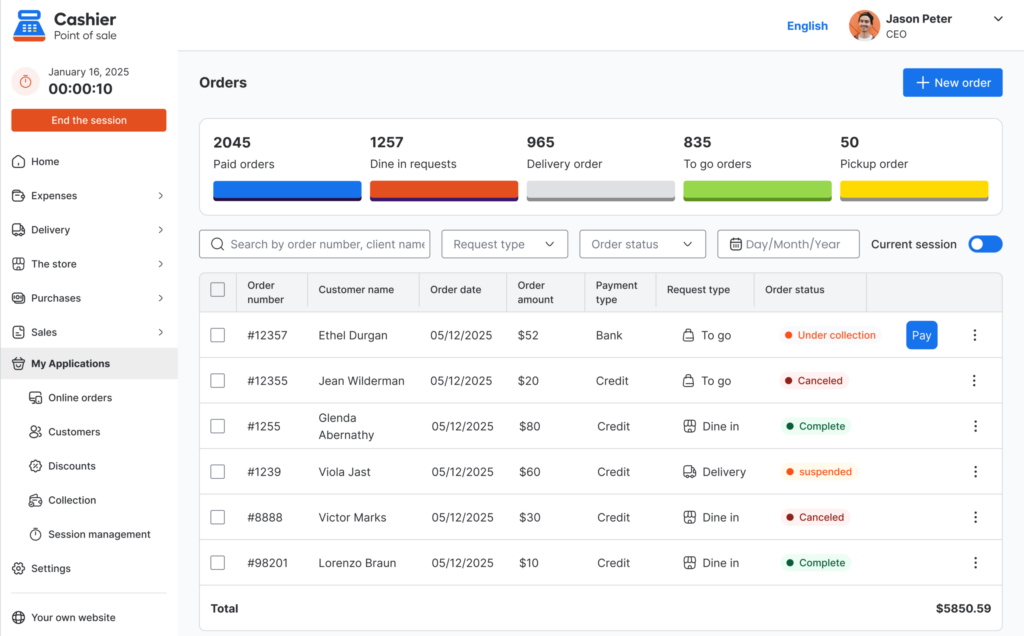
A modern point of sale system is far more than a digital cash register. Today’s POS platforms function as the operational command center of a restaurant, managing everything from order entry and kitchen routing to inventory tracking, staff scheduling, and customer management. When this system works efficiently, every other part of the restaurant benefits.
Faster Order Entry
One of the most immediate ways a POS system reduces wait times is by accelerating the order entry process. Traditional paper-based ordering systems require a server to write down an order, walk to a terminal, manually input each item, and then route it to the kitchen. Modern POS platforms allow servers to take orders tableside on handheld devices, sending tickets directly to the kitchen display system the moment the order is confirmed. This eliminates multiple steps and cuts communication errors that often result in remade dishes and longer waits.
Intelligent Kitchen Routing
Not every item on an order is prepared in the same station. A burger comes from the grill, a salad from the cold station, and a cocktail from the bar. Without intelligent kitchen routing, these items may arrive at different times or create confusion about sequencing. A sophisticated POS can route individual line items to the appropriate preparation station simultaneously, ensuring all components of an order are completed together and delivered to the table at the right moment.
Streamlined Payment Processing
One of the most common complaints in full-service restaurants is the time it takes to settle a bill. Customers who have enjoyed their meal are ready to leave, but waiting for a server to bring the check, process a card, return with a receipt, and collect the signed slip can add ten to fifteen minutes to a table’s stay. Modern point of sale solutions allow customers to split bills at the table, pay by tapping a card or phone, and receive digital receipts, all in under two minutes.
3. Key Features to Look for in a Restaurant POS System
Not all POS systems are created equal. If your goal is to genuinely reduce wait times and improve operational efficiency, there are specific features you should prioritize when evaluating solutions.
Tableside Ordering and Mobile POS
A mobile POS capability allows your servers to take orders and process payments directly at the table using a tablet or smartphone. This single feature can reduce the average service time per table by several minutes, multiplied across dozens of tables and hundreds of service sessions each week.
Kitchen Display System Integration
A kitchen display system (KDS) replaces paper tickets with a digital screen that shows cooks exactly what needs to be prepared, in what order, and with any special instructions. Integration between your cashier terminal and the KDS ensures that orders appear in the kitchen within seconds of being placed, eliminating the delays associated with paper-based systems.
Real-Time Inventory Management
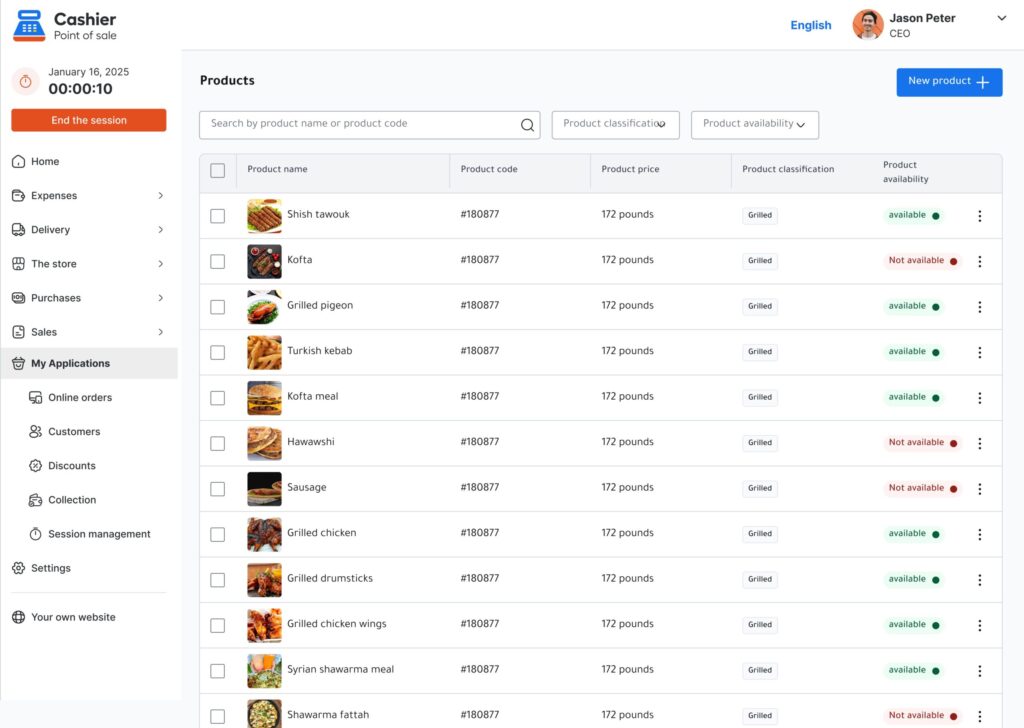
Nothing frustrates a customer more than ordering a dish, waiting for it, and then being told it is out of stock. Real-time inventory tracking within your modern POS system allows your cashier to see at a glance what is available, and your front-of-house team can confidently guide customers toward items that are in stock. This prevents unnecessary delays caused by order changes.
Reporting and Analytics
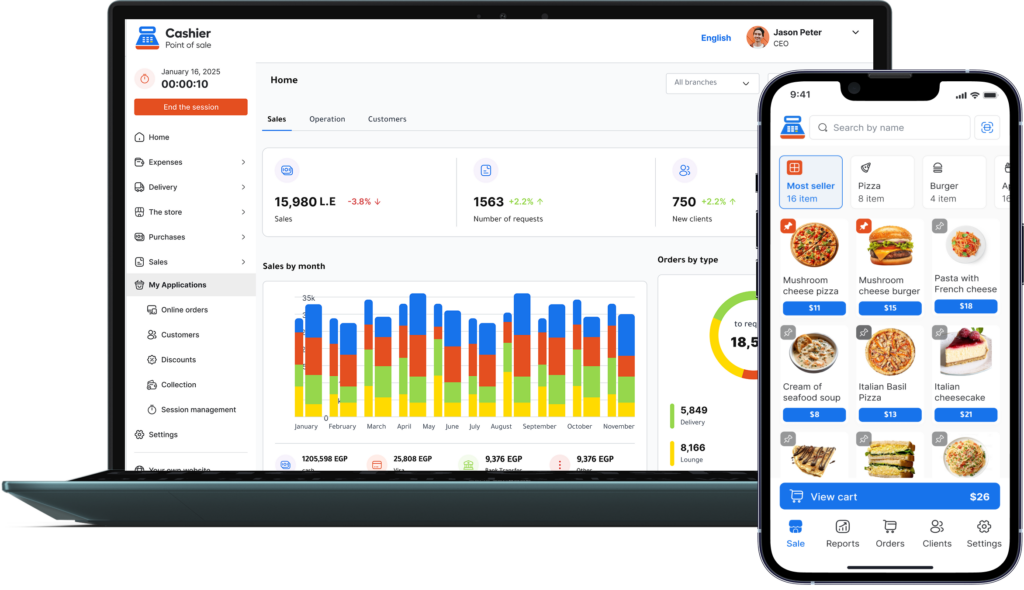
Understanding when your restaurant experiences peak traffic, which menu items take the longest to prepare, and which service periods are most efficient requires data. A robust POS system provides this data through built-in analytics dashboards, helping managers make informed decisions about staffing levels, menu adjustments, and operational workflows.
4. Practical Strategies for Boosting Restaurant Efficiency
Choosing the right POS system is only part of the equation. The strategies you implement around that system matter just as much. Here are the most effective approaches to improving efficiency in a restaurant environment.
Optimize Your Menu for Speed
A menu with hundreds of options may seem impressive, but it creates complexity at every level, from customer decision-making to kitchen preparation. Streamlining your menu to focus on your best-performing, most profitable, and fastest-to-prepare items reduces average preparation time and simplifies the ordering process for both guests and staff. Your POS analytics can identify which items sell most frequently and which take the longest to produce, giving you the data you need to make smart menu decisions.
Use Pre-Authorization and Pre-Payment Options
For high-volume service periods, consider implementing pre-authorization of credit cards at the time of seating. This allows customers to enjoy their meal knowing the payment will be settled automatically, removing the need for a check-presentation step entirely. Some point of sale platforms also support QR-code-based ordering and payment, allowing customers to browse the menu, order, and pay entirely from their own smartphone without waiting for a server.
Train Staff on POS Workflows
Technology is only as effective as the people using it. Investing in thorough training ensures that every member of your team, from new cashiers to experienced servers, knows how to use your modern POS system efficiently. Regular refresher sessions and role-specific training modules ensure that staff can handle rush periods without reverting to slow manual workarounds.
Implement Queue Management During Peak Hours
During peak service periods, managing the flow of customers into your dining area is essential. Many modern POS platforms include waitlist management features that allow hosts to log waiting parties, send SMS notifications when a table is ready, and track estimated wait times in real time. This not only reduces perceived wait times for guests but also prevents the chaotic experience of customers hovering near the entrance hoping to be called.
Review and Adjust Staffing Based on Data
One of the most valuable features of a modern POS system is its ability to track sales data by hour, day, and season. This information lets you optimize your staffing schedules so that you always have the right number of servers, cashiers, and kitchen staff on duty during your busiest periods. Being understaffed during a lunch rush is one of the most preventable causes of long wait times, and data-driven scheduling removes the guesswork entirely.
5. How Cashier POS Helps Restaurants Run Faster
Cashier POS is designed specifically to meet the demands of modern food service operations. As a comprehensive point of sale solution, Cashier POS integrates order management, kitchen communication, payment processing, and reporting into a single, intuitive platform that restaurant owners and operators can rely on.
One of the standout features of Cashier POS is its speed. Orders placed by a server on a handheld device are transmitted to the kitchen in under a second, and the system’s kitchen display integration ensures that preparation begins immediately. This end-to-end digital workflow eliminates the bottlenecks that slow down traditional restaurant operations, allowing teams to serve more customers with greater consistency.
Beyond speed, Cashier POS offers the kind of reporting depth that restaurant managers need to make meaningful improvements. Detailed sales reports, item-level performance data, and staffing efficiency metrics give owners a clear picture of where time and money are being lost, and what to do about it. Restaurants using Cashier POS consistently report improved table turnover rates and higher customer satisfaction scores, two metrics that directly reflect operational efficiency.
For restaurants looking to scale, whether by adding a second location, introducing delivery services, or expanding their menu, Cashier POS provides the infrastructure to grow without sacrificing the speed and quality of service that customers expect.
6. Technology Integrations That Further Reduce Wait Times
A modern POS system should not exist in isolation. The best platforms integrate with a range of complementary technologies that, together, create a seamlessly efficient operation.
Online Ordering Integration
Integrating an online ordering platform with your point of sale system ensures that orders placed via your website or a third-party delivery app flow directly into your kitchen queue without requiring manual entry by a cashier. This eliminates a significant source of delay during busy periods and reduces the risk of errors that come from typing in orders that have already been submitted digitally.
Customer Relationship Management
CRM features integrated into your POS allow you to identify returning customers, track their order history, and apply loyalty rewards automatically. When a frequent guest walks in and your cashier can greet them by name, recall their usual order, and apply a discount without any manual lookup, the service feels both personal and fast. This kind of frictionless interaction is only possible when your POS and CRM work together.
Self-Service Kiosks
For quick-service and fast-casual environments, self-service ordering kiosks represent one of the most effective tools for reducing front-counter congestion. Customers browse the menu at their own pace, customize their order, pay at the kiosk, and receive a ticket number, all without requiring staff intervention. The order flows automatically into the kitchen through the POS, and service begins immediately.
Organize your sales in seconds with Cashier POS!
Take control of sales and users in moments, and give your business a fully integrated system that runs smoothly.
Get Started For FreeFrequently Asked Questions (FAQ)
A point of sale system is a combination of hardware and software that allows a business to process transactions. In a restaurant, the POS manages the entire ordering and payment workflow, from the moment a customer places an order to the moment they settle their bill. Modern POS platforms also handle kitchen communication, inventory tracking, and reporting, making them the operational hub of any food service business.
A POS system reduces wait times by eliminating manual steps in the ordering and payment process. Tableside ordering sends tickets to the kitchen instantly. Kitchen display systems ensure preparation begins without delay. Streamlined payment processing allows customers to pay quickly and leave, freeing up tables for the next seating. Each of these efficiencies compounds over the course of a service period, resulting in measurably shorter wait times.
Yes. Cashier POS is built to scale with businesses of all sizes. Whether you operate a small café with two staff members or a multi-location restaurant group, the platform adapts to your needs. Small businesses benefit from the ease of setup and the intuitive interface, while larger operations leverage the advanced reporting, multi-terminal support, and integration capabilities.
Many modern POS platforms include waitlist management and queue tools designed specifically for peak-period service. These features allow hosts to log waiting customers, communicate estimated wait times, and send automated SMS alerts when a table becomes available. This improves the customer experience during busy periods and reduces the pressure on front-of-house staff to manage queues manually.
Implementation timelines vary depending on the size of the operation and the complexity of the integration requirements. In most cases, a restaurant can be fully set up and running on a new point of sale system within one to three days. This includes hardware installation, software configuration, menu loading, and staff training. Choosing a platform with strong onboarding support makes the transition significantly smoother.
Conclusion
Reducing restaurant wait times is not a single-step solution, it is the result of combining smart technology with well-designed workflows and a team that knows how to use both effectively. Every minute saved in the ordering process, every order routed accurately to the kitchen, and every payment processed smoothly at the table contributes to a dining experience that customers remember for the right reasons.
A modern point of sale system is the single most impactful investment a restaurant can make in its operational efficiency. It connects every part of your business, provides the data you need to keep improving, and gives your staff the tools to deliver fast, accurate, and warm service, even during your most demanding service periods.
Cashier POS brings all of these capabilities together in a platform built specifically for the demands of today’s food service industry. From the first order of the morning to the last bill of the night, Cashier POS ensures your operation runs with the speed and consistency that builds loyal customers and grows revenue. If you are serious about reducing wait times and taking your restaurant’s efficiency to the next level, the right point of sale system is not just a tool, it is a competitive advantage.